












Shipping & Returns


Handwerk aus Peru. Spürbar echt.
WITHOUT HARMFUL SUBSTANCES
environmentally friendly production
ANIMAL WELFARE
in breeding & wool production
FAIR-TRADE
Fair pay & working conditions

“Von meinen Pullovern von Alpakin bin ich ganz begeistert: Ich trage sie sehr gerne in meiner Freizeit aber auch ins Büro unter einem Blazer. Die Pullover halten bei Kälte warm und bei wärmeren Temperaturen schwitze ich nicht darin.
”

“Der Alpaka Pulli ist schön verarbeitet und hat einen tollen Glanz. Ich trage ihn im Sommer direkt auf der Haut und im Winter mit Shirt darunter. Man merkt direkt, dass es keine Massenware ist. Mir gefällt auch, dass er seltener gewaschen werden muss.
”

“Bei der Lieferung ist mein Herz aufgegangen und ich habe so viel Freude empfunden bei der liebevollen Verpackung, der handgeschriebenen Nachricht und nicht zu vergessen der tollen Überraschung. Aber nun zu den Pullovern…. Ich liebe sie 😍
”
Frequently asked questions about baby alpaca pullovers
What is baby alpaca wool?
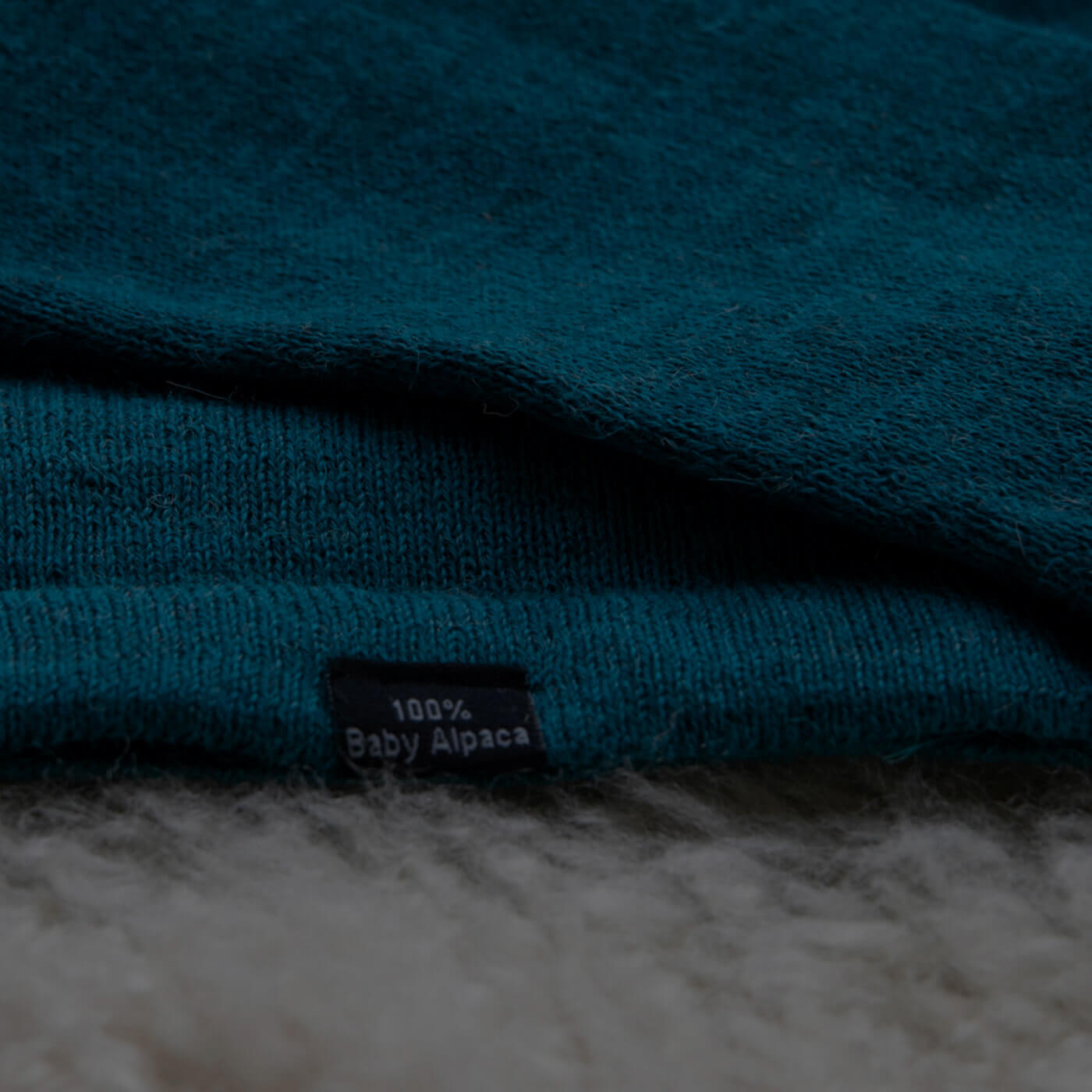
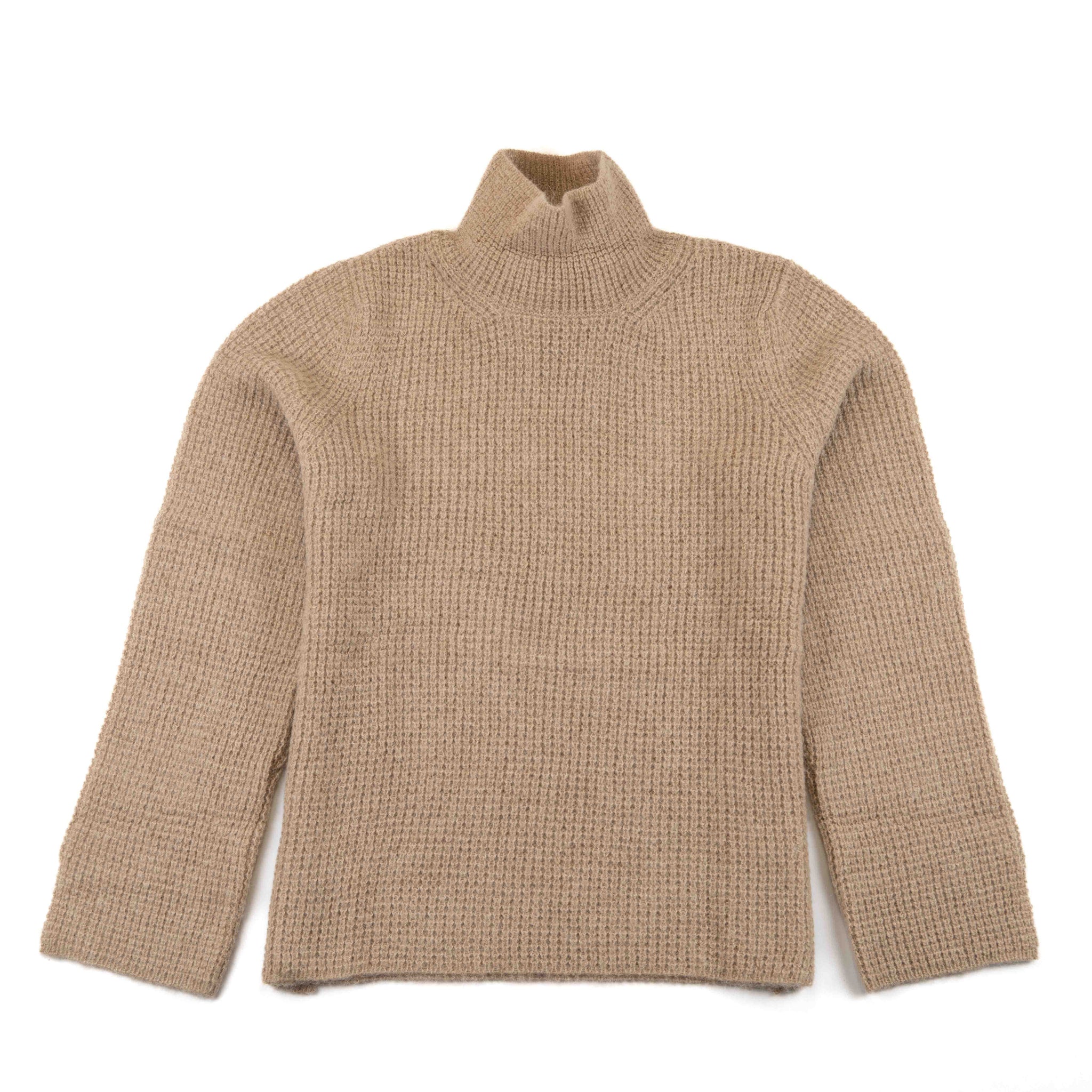
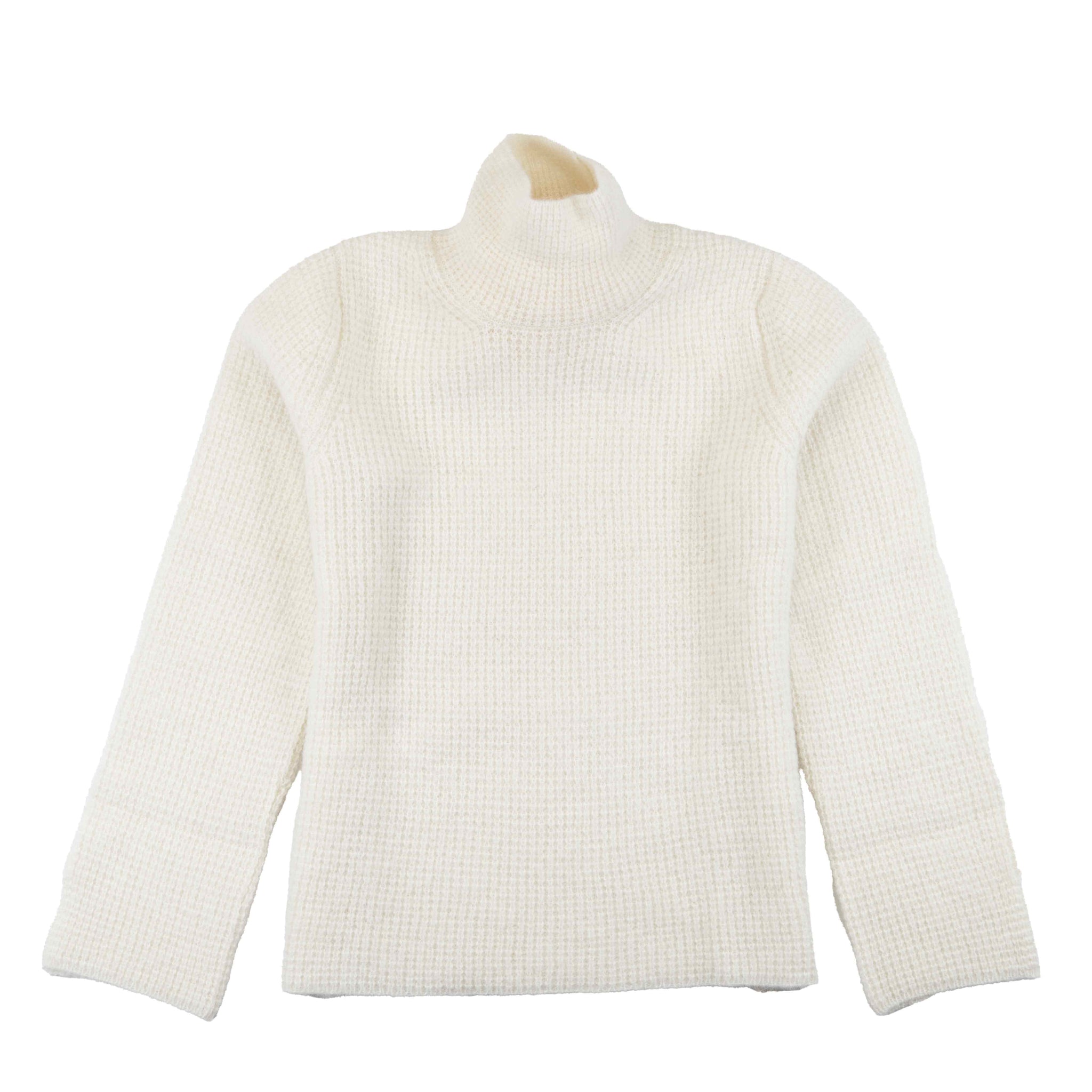
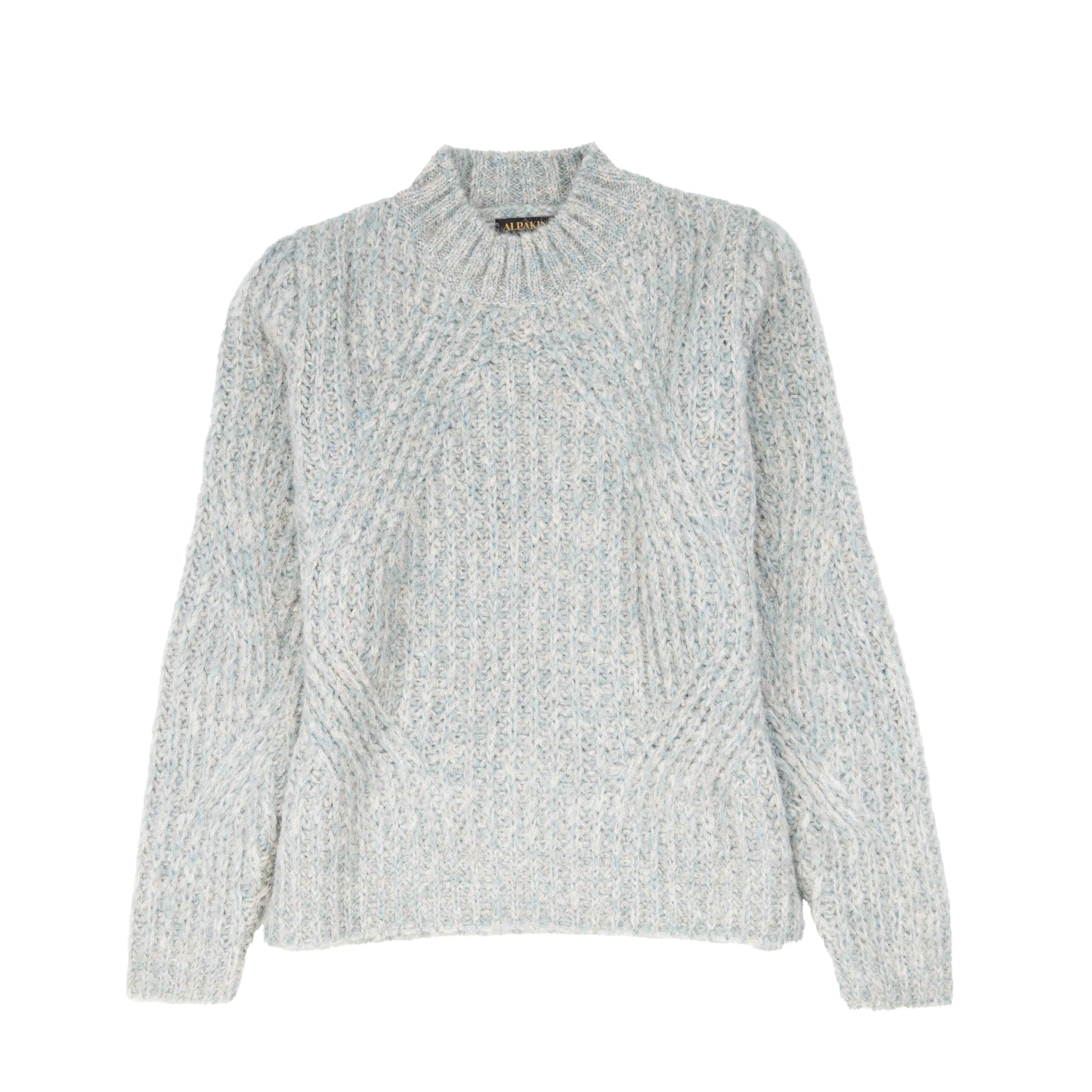
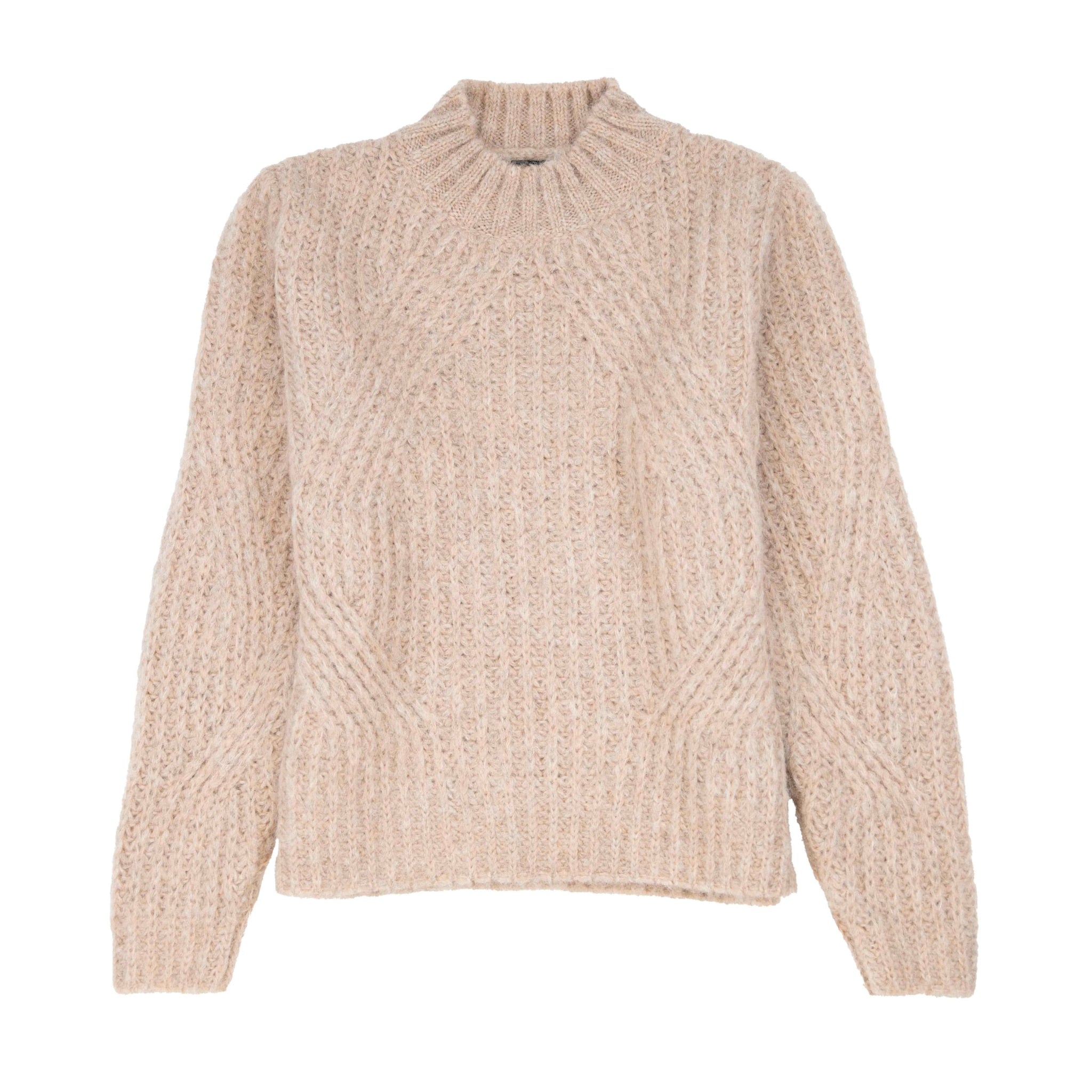
Baby alpaca wool is not - as the name suggests - the wool of small alpaca babies or young animals. Instead, baby alpaca is the highest quality alpaca wool, which is only obtained from protected parts of the body. While an alpaca produces up to 6 kilograms of wool, only about 150 - 200 grams of this is baby alpaca quality. The fineness of the alpaca fiber is measured in microns. Baby alpaca is between 19 - 21.9 microns thick and is therefore the finest and softest alpaca fiber, which is just as soft as cashmere.
Is baby alpaca warm?
Alpaca wool is the warmest wool in the world and seven times warmer than sheep's wool. Baby alpaca is not only warm, but is also able to adapt to the temperature, so you won't sweat in thin baby alpaca pullovers. Thick sweaters made of baby alpaca wool are perfect for winter; they warm you and retain your body heat at the same time.
Does baby alpaca wool scratch?
Alpaca wool in the lower quality grades Superfine, Fine and Alpaca can cause a scratchy feeling on the skin, especially for people with sensitive skin. For items of clothing that come into close contact with the skin, such as sweaters or scarves, we therefore always recommend choosing the highest quality baby alpaca. This is as soft as cashmere and is guaranteed not to scratch.
What is special about baby alpaca?
Baby alpaca is indescribably comfortable and convenient. It is soft, warm, breathable and gentle on the skin. If you are going to treat yourself to a premium fiber like baby alpaca wool, we recommend that you go for 100 percent alpaca pullovers and avoid blends. Other types of wool or synthetic materials prevent alpaca wool from developing its outstanding properties. For all its luxury, baby alpaca is also practical. Its fibers are robust and dry quickly; baby alpaca pullovers are durable and easy to care for.
What alternatives do I have to baby alpaca?
If you want something as soft as baby alpaca, cashmere is recommended. However, you will forego the warmth and breathability properties that are particularly important for pullovers, as they are exposed to sweat. Cashmere also has disadvantages when it comes to animal welfare and environmental friendliness, which is why more and more buyers are opting for alpaca instead of cashmere.
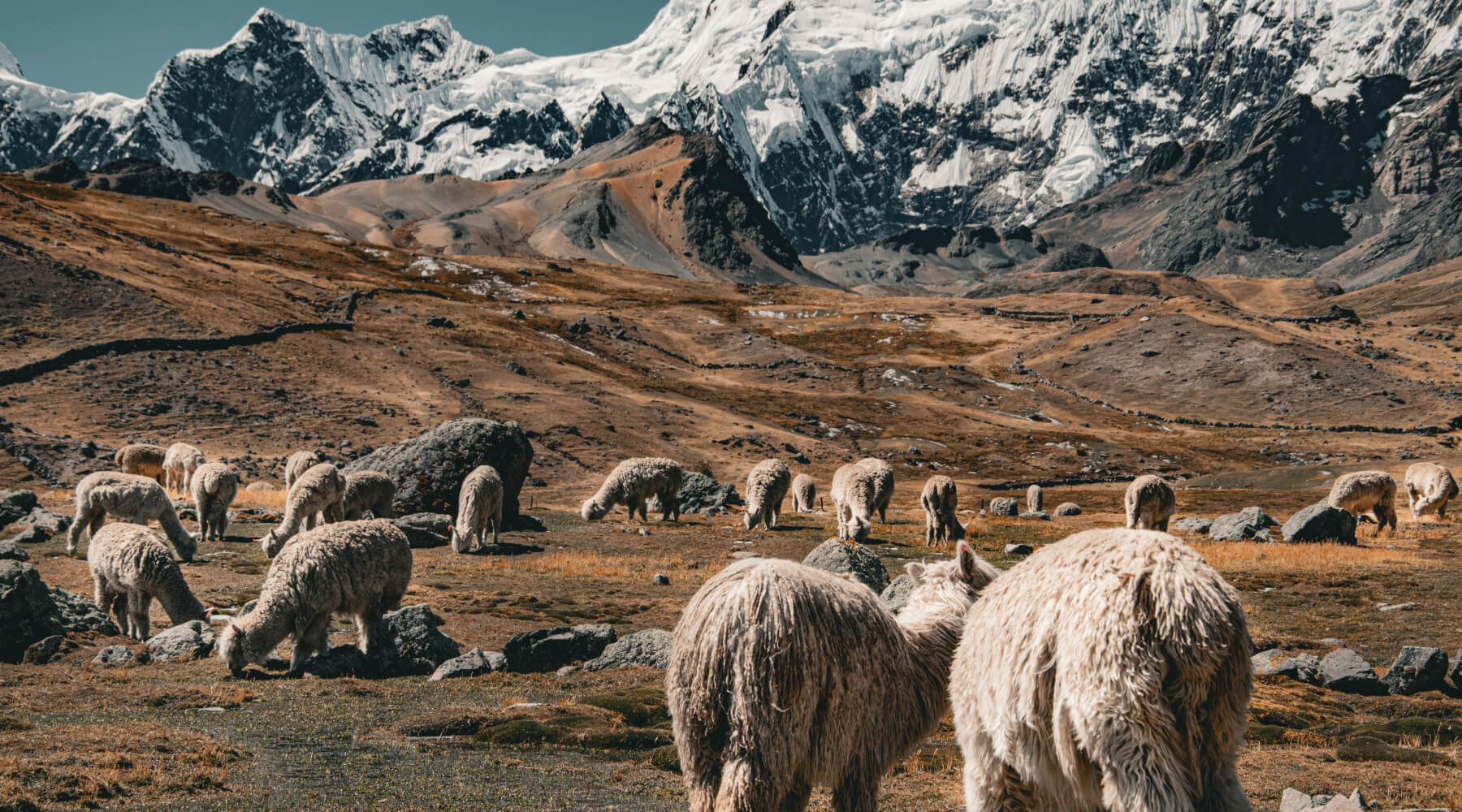
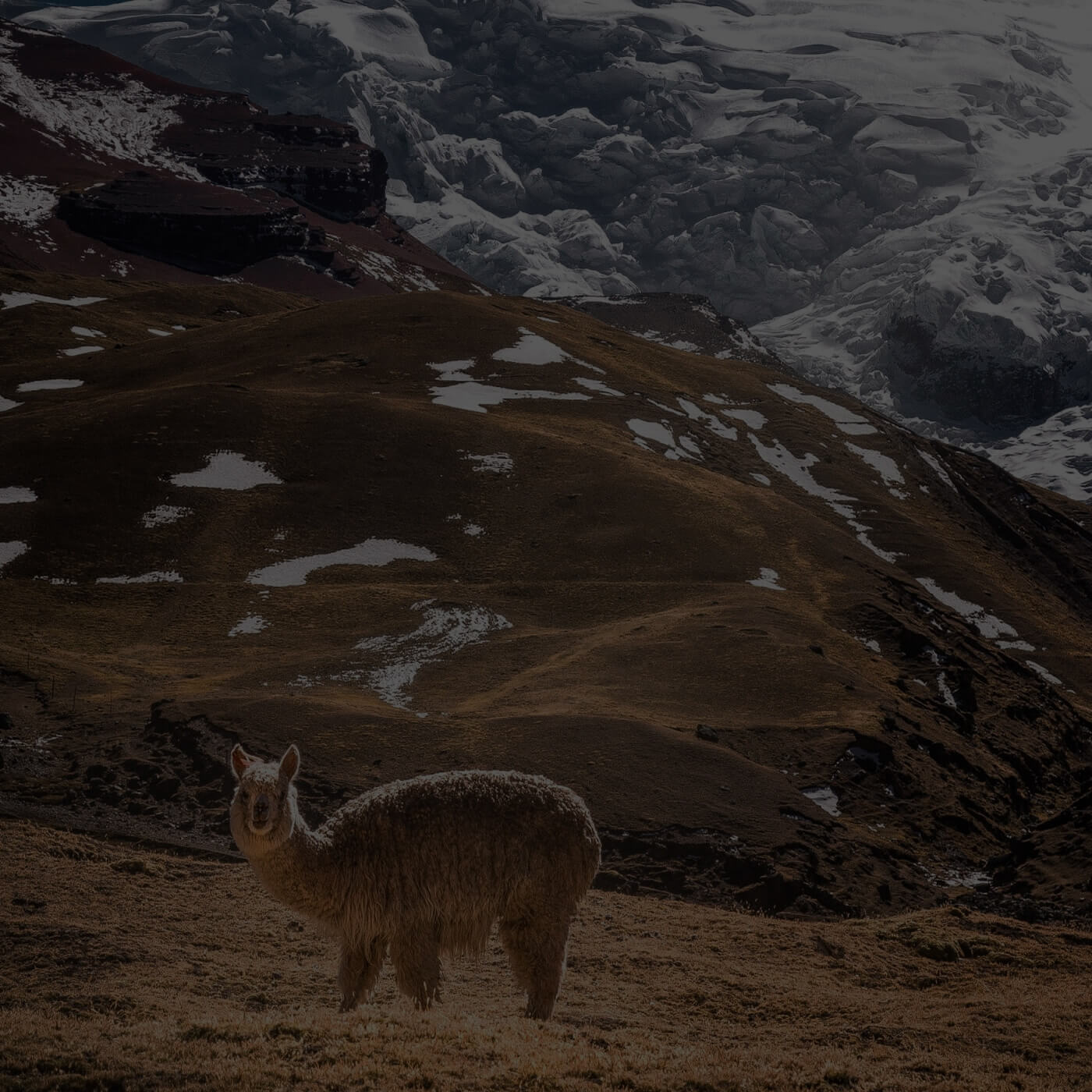
Geboren in den Anden
In den Höhen wächst die Wolle heran, die uns Wärme schenkt - im Einklang mit der Natur.
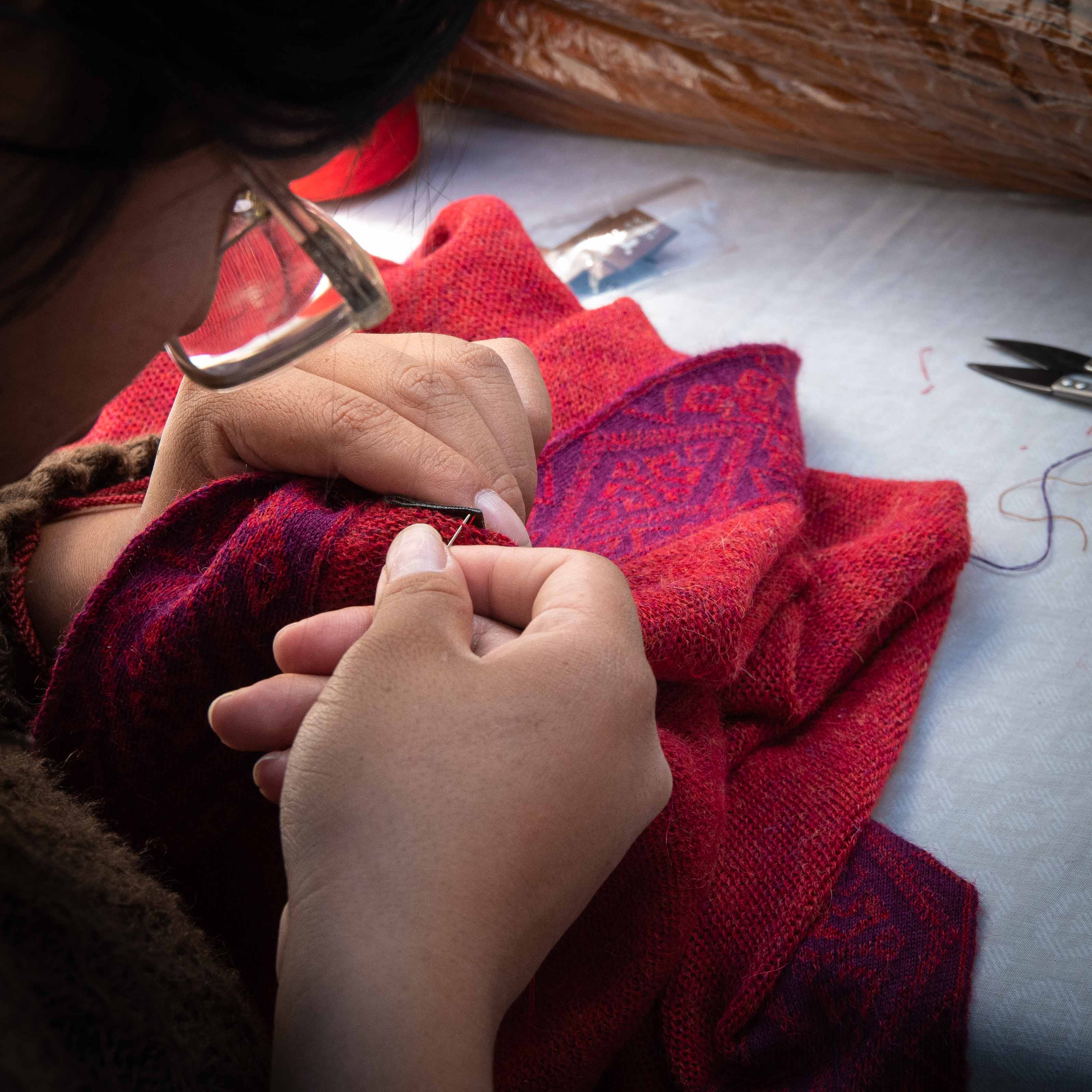
Echte Handarbeit, kein Fließband
Talentierte Schneider:innen fertigen mit Leidenschaft - ohne Ausbeutung oder Kinderarbeit.

Mehr als ein Kleidungsstück
Wärme und Komfort, wie du es noch nie erlebt hast. Damit auch du profitierst.
Wo liegt der Unterschied zwischen Babyalpaka und Alpaka?
Alpakawolle ist nicht gleich Alpakawolle. Die Naturfaser wird in fünf Qualitätsstufen unterteilt, die sich vor allem in Feinheit, Weichheit und Tragekomfort unterscheiden. Babyalpaka ist dabei die hochwertigste Qualität - und hat nichts mit dem Alter des Tieres zu tun. Der Begriff beschreibt ausschließlich die besonders feine und weiche Faser, die von geschützten Körperpartien ausgewachsener Alpakas gewonnen wird.
Im Vergleich zu herkömmlicher Alpakawolle ist Babyalpaka deutlich weicher, glatter und hautfreundlicher. Die feinen Fasern sorgen für ein luxuriöses Tragegefühl und machen Babyalpaka ideal für Menschen, die klassische Wolle sonst als kratzig empfinden. Gleichzeitig ist die Faser außergewöhnlich leicht, temperaturregulierend und angenehm wärmend.
Niedrigere Qualitätsstufen wie „Alpaka“ oder „Huarizo“ können dagegen deutlich gröber ausfallen und eignen sich eher für robuste Textilien als für hautnahe Kleidung. Ein Babyalpaka Pullover ist deshalb weit mehr als nur ein warmer Wollpullover - er ist ein Premium-Kleidungsstück mit außergewöhnlichem Komfort. Weich wie Kaschmir, aber langlebiger und nachhaltiger.

Babyalpaka Pullover – Das Beste vom Besten
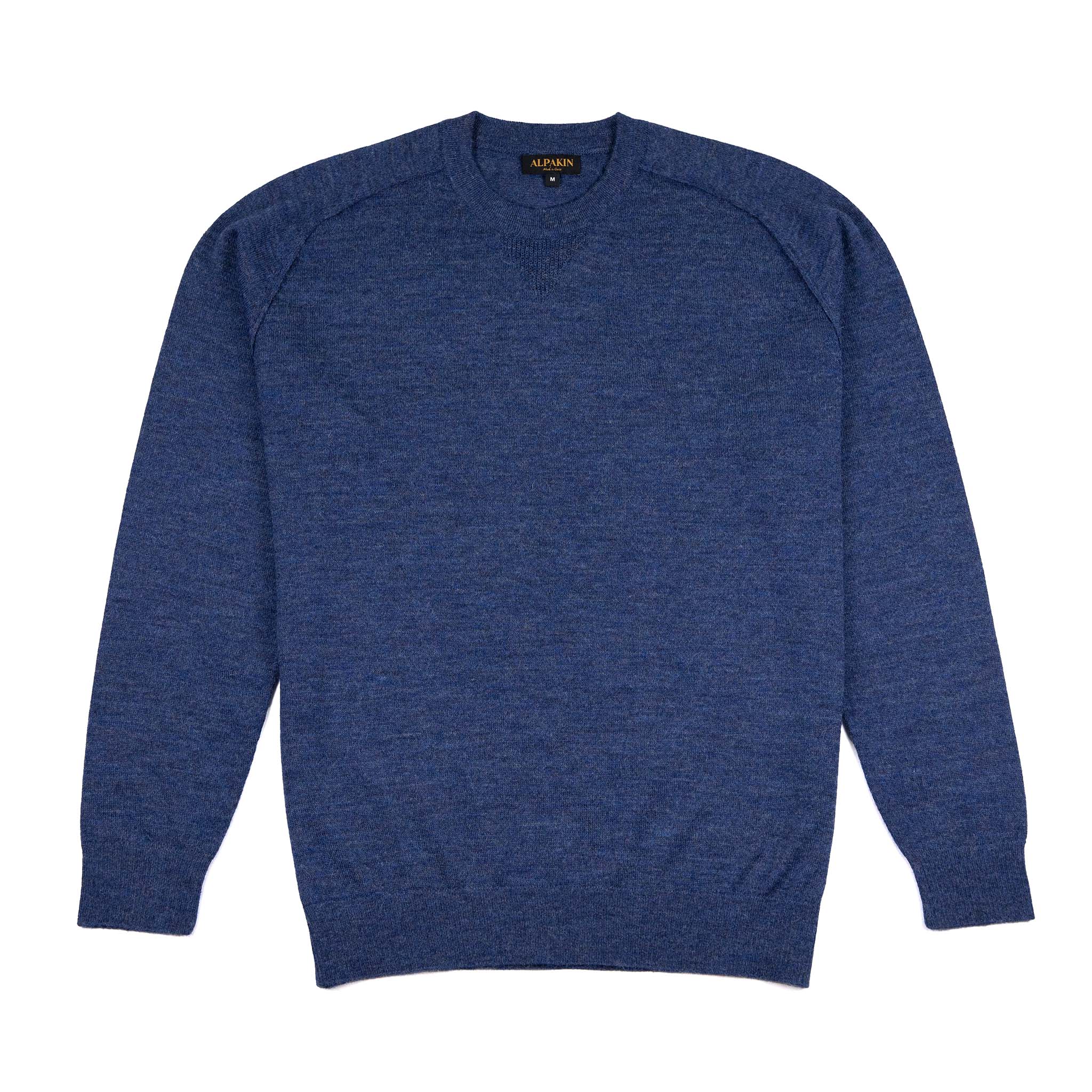
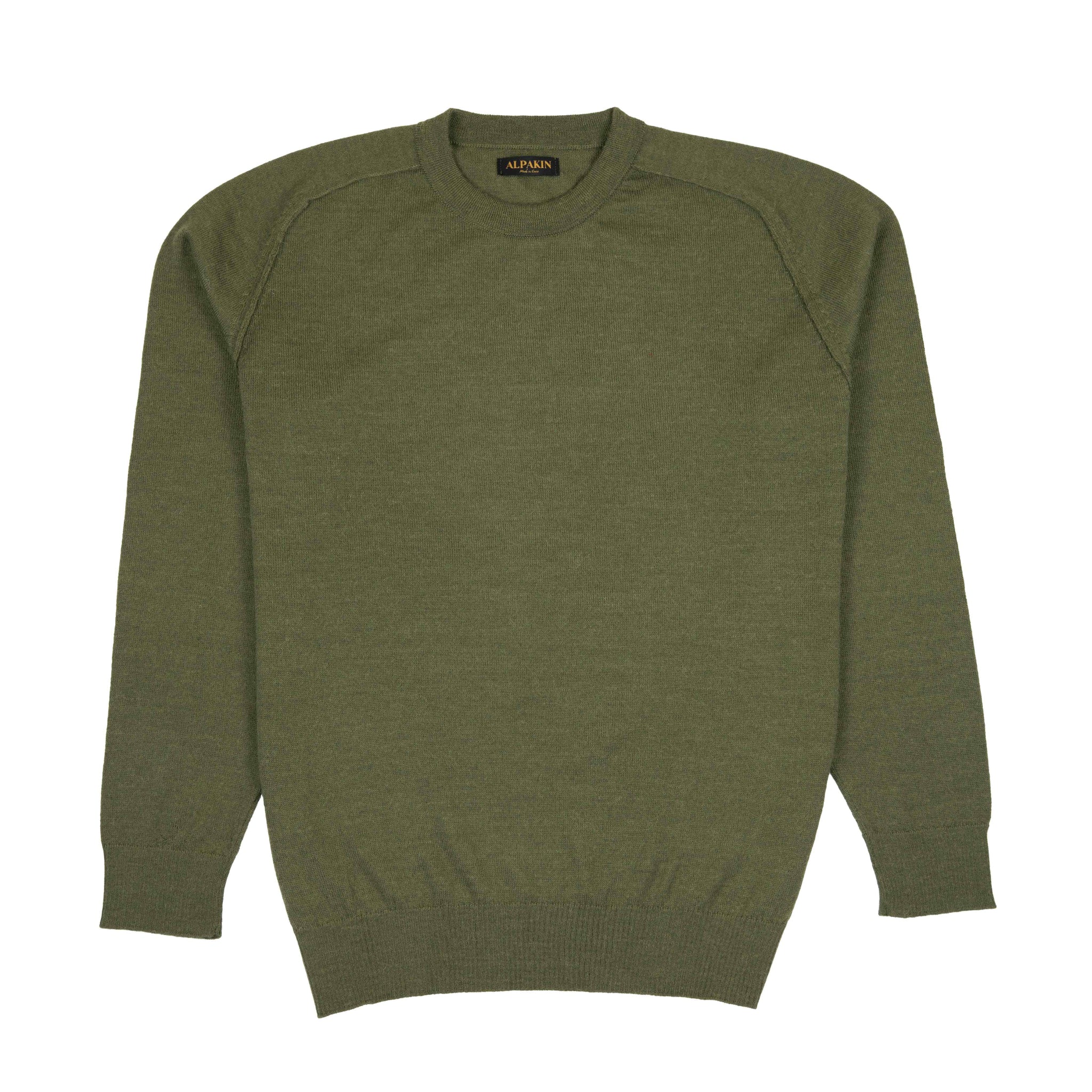
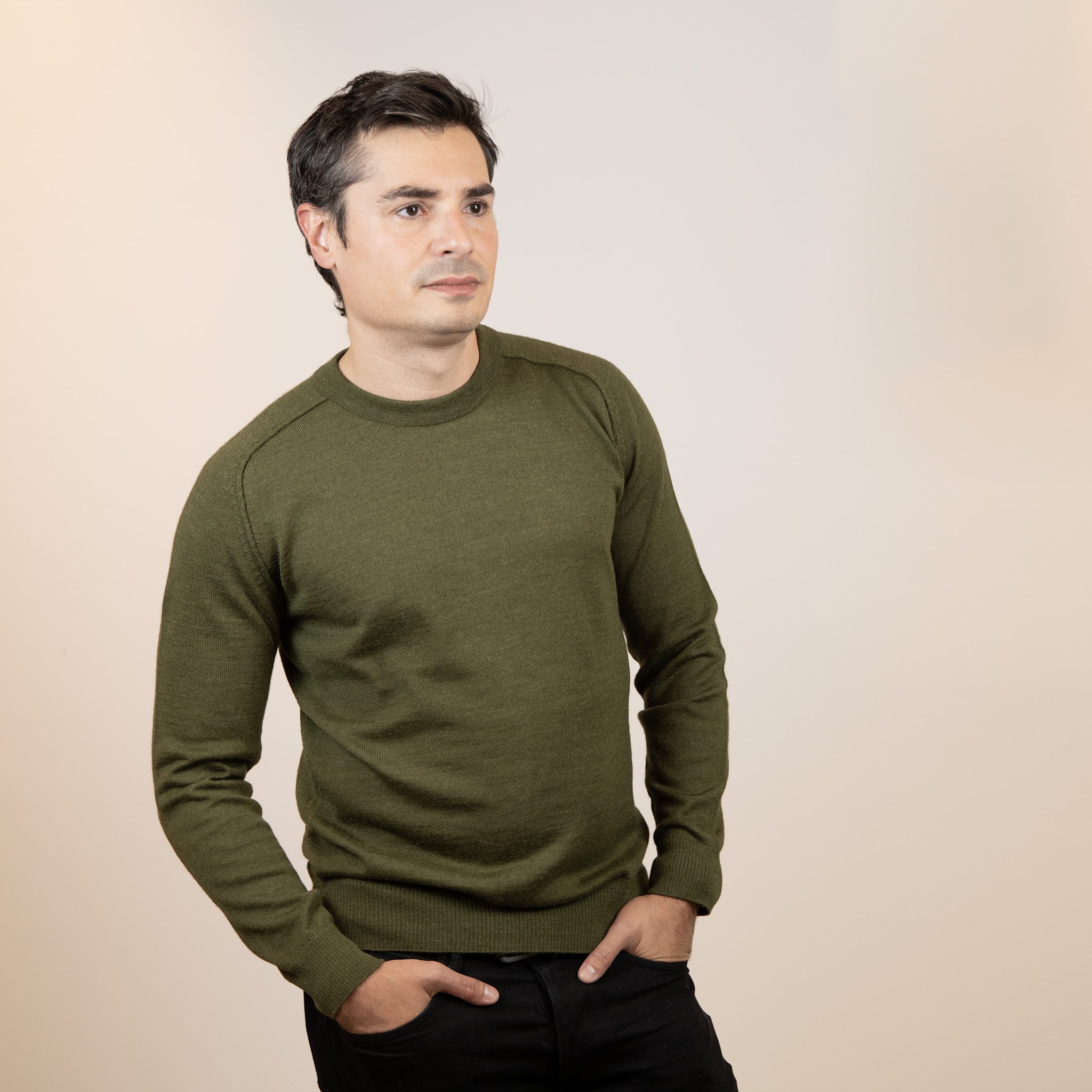
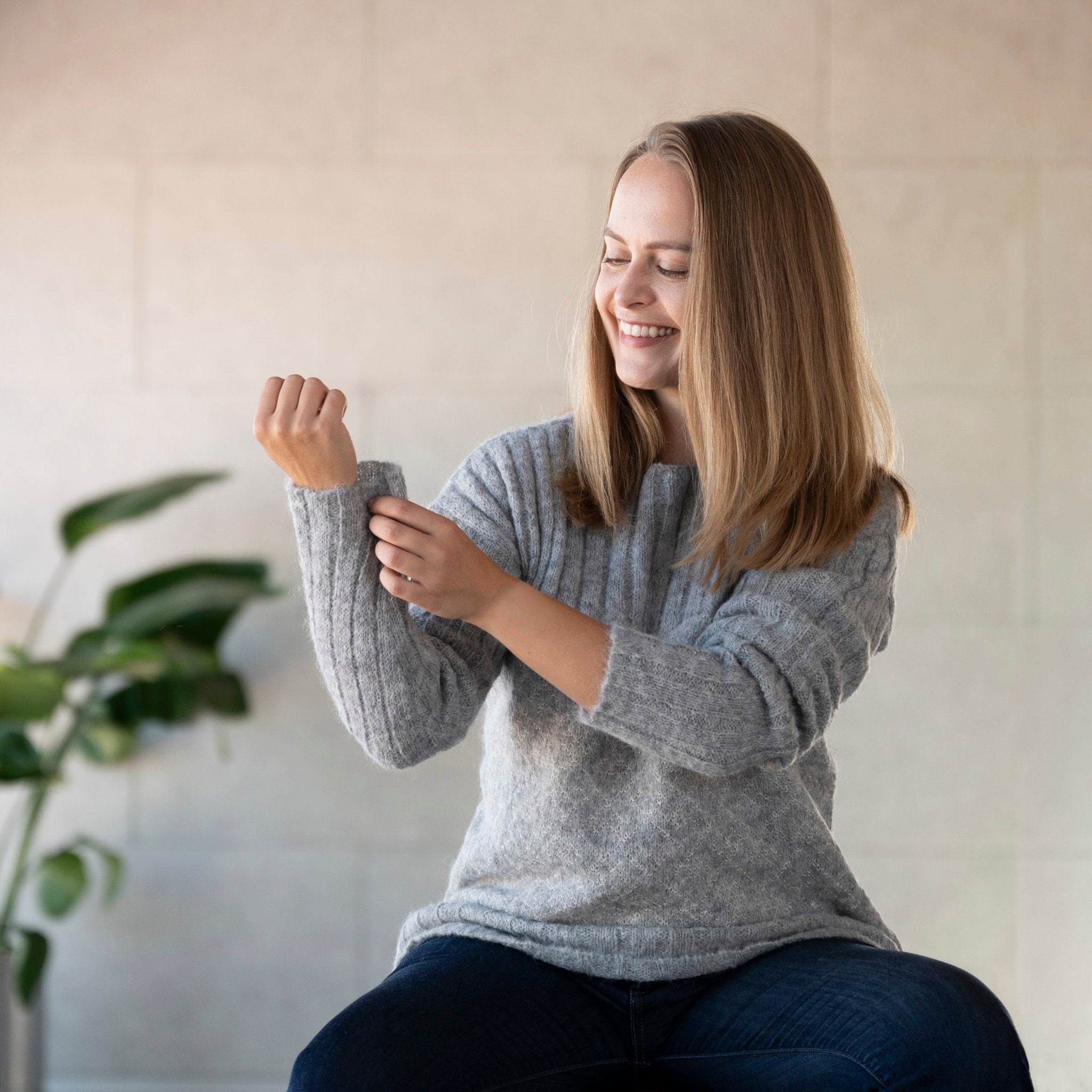
Man spürt den Unterschied sofort. Babyalpaka fühlt sich weich, leicht und unglaublich angenehm auf der Haut an. Die feinen Fasern schmiegen sich sanft an den Körper, speichern Wärme und regulieren gleichzeitig die Temperatur – ohne Hitzestau oder Kratzen.
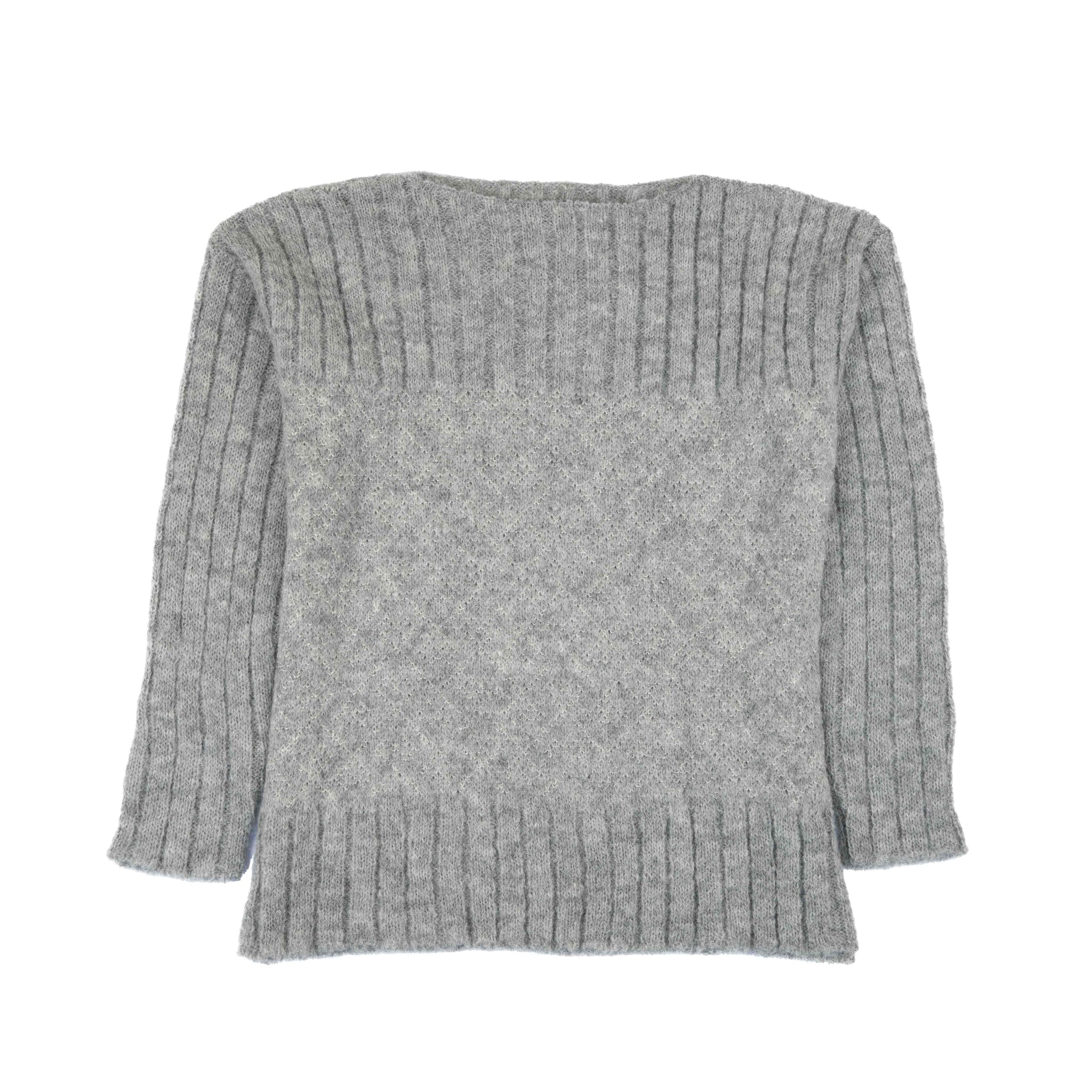
Unsere Babyalpaka Pullover verbinden luxuriösen Komfort mit zeitloser Eleganz. Sie wärmen an kalten Tagen, bleiben atmungsaktiv und begleiten dich viele Jahre mit ihrer außergewöhnlichen Qualität. Ein Naturprodukt für Menschen, die nicht nur Wärme suchen, sondern echtes Wohlgefühl.


Care tips
Washing baby alpaca pullovers
The alpaca fiber has a natural dirt-repellent and your baby alpaca pullover airs out well in the fresh air, which is why alpaca pullovers need to be washed less often. Sweaters made from 100% baby alpaca are easy to care for and can be washed in the washing machine or by hand. In the washing machine on the wool cycle, at a maximum of 30 degrees Celsius and no more than 600 revolutions per minute. We recommend using a wool detergent such as Perwoll Renew Wool and washing without fabric softener. Do not put your baby alpaca pullover in the dryer and do not iron it. It does not wrinkle and is best dried lying flat on the clothes rack.
