Origin of our wool

Michell & Co. as pioneer
Founded in 1931, Michell & Co. is today the largest supplier of alpaca wool in Peru. Various international certificates confirm the high quality of their wool.
✓ Tiergerechte Haltung & verantwortungsvolle Gewinnung
✓ Zertifizierte Materialien & nachhaltige Verarbeitung
✓ Zusammenarbeit mit peruanischen Andengemeinden
✓ Feinste Alpakawolle aus kontrollierter Herkunft
✓ Naturfasern mit jahrhundertealter Textiltradition


Peru - die Heimat der Alpakas
No other country has more alpacas than Peru. With more than four million animals, 80% of the world's alpaca population can be found in this special Andean country. Alpacas, with their friendly, lovable nature are not only beautiful to look at, but they also provide a livelihood for more than 120,000 families in the Andean regions who have been processing this warmest wool into clothing for generations. From alpaca breeding to the extraction and processing of the wool, knowledge has always been passed down from one generation to the next. Alpacas and llamas are closely linked to the country's culture. The South American camels are considered sacred animals that, then as now, play an important role in ceremonies for "Mother Earth" (Spanish: Pachamama or Madre Tierra).
Today, alpaca fiber is a flagship product of Peru, similar to Peruvian Pima Cotton or the highly esteemed Peruvian cuisine. It is also assumed that the highest quality alpaca wool comes from Peru. The quality level of neighboring countries such as Bolivia, Chile and Ecuador is often not on par with the wool from Peru. This is due to a long tradition of producing alpaca wool and manually sorting out the different qualities. Peru has long developed a considerable knowledge advantage over its neighboring countries. Visionaries such as the founder of Michell, Frank W. Michell, recognized the potential of the noble fiber and brought it from Peru to the whole world.
Warum wir mit Michell arbeiten
The history of the Michell Group began about a century ago and is strongly influenced by the vision of the founder Frank W. Michell. He traveled to Peru for the first time in 1922. From the very first moment he was fascinated by the alpaca animals and their soft, shiny wool. In 1931, at the age of 35, Frank W. Michell founded the company Michell & Co. with the vision of helping to shape the textile tradition of the Andes. 14 years later, the first spinning mill was opened, laying the foundation for the Peruvian alpaca textile industry. In 1987, the pioneer Frank W. Michell died at the age of 90. Seven years earlier, he handed over the management of the company to his son Michael Michell, who has continued his father's vision ever since.
Today, Michell is a name all over the world, known for their wool (yarns) and high-quality clothing made from alpaca and vicuña. A pioneer back then, Michell is now a leader in the alpaca textile industry and represents Peru's textile heritage like no other company. Michell covers the entire value chain, from alpaca breeding to yarn production to the sale of high-quality alpaca clothing in various online shops, their local stores and to resellers from all over the world. Michell's well-known sub-brands include the clothing stores Incalpaca, Sol Alpaca, Patapampa and Alpaca Factory Outlet. These can be found especially in the tourist areas of Peru, such as Cusco, Arequipa and Lima.

Fair Trade Certification
Another important milestone for Michell & Co.'s global expansion was receiving the Fair Trade certificate to provide buyers with better guidance. Michell is the first textile company in Peru to receive this award. Since then, the company has been focusing more on sustainability, environmental friendliness and social justice. For example, its clothing stores under the Patapampa sub-brand financially support educational institutions for children from remote Andean regions, thus making an important contribution to Peruvian society. As of this year, Michell has received eleven other international certificates on topics such as animal welfare, environmental protection and the sustainability of materials.
Wollgewinnung
Alpakas werden nur einmal jährlich geschoren –
ein wichtiger Prozess, damit die Tiere im Sommer nicht überhitzen.


Verarbeitungsprozess von Alpakawolle
Alpakas sind soziale Herdentiere und werden von Andenhirten und -gemeinden in Peru gehalten. Sie stammen von den wildlebenden Vikunjas ab, deren Wolle bis heute als eine der wertvollsten Naturfasern der Welt gilt.
Einmal jährlich werden Alpakas geschoren, damit sie im Sommer nicht überhitzen. Anschließend wird die Wolle sorgfältig von Hand nach Feinheit, Farbe und Qualität sortiert – ein traditioneller Prozess, der in Peru seit Generationen weitergegeben wird.
Naturfarben
Viele unserer Naturtöne kommen vollständig ohne chemische Färbung aus.
Viele Alpaka-Produkte kommen zudem ohne chemische Färbung aus, da Alpakas von Natur aus in verschiedenen Farbtönen wie Creme, Braun, Grau und Schwarz vorkommen. Diese intensiven Naturfarben waschen sich nicht aus und sind besonders bei Allergikern und Menschen mit empfindlicher Haut beliebt.
Nach der Sortierung wird die Wolle zu feinen Garnen verarbeitet. Michell nutzt hierfür moderne Maschinen, die eine besonders gleichmäßige und weiche Qualität ermöglichen.
Experience Alpaca Clothing
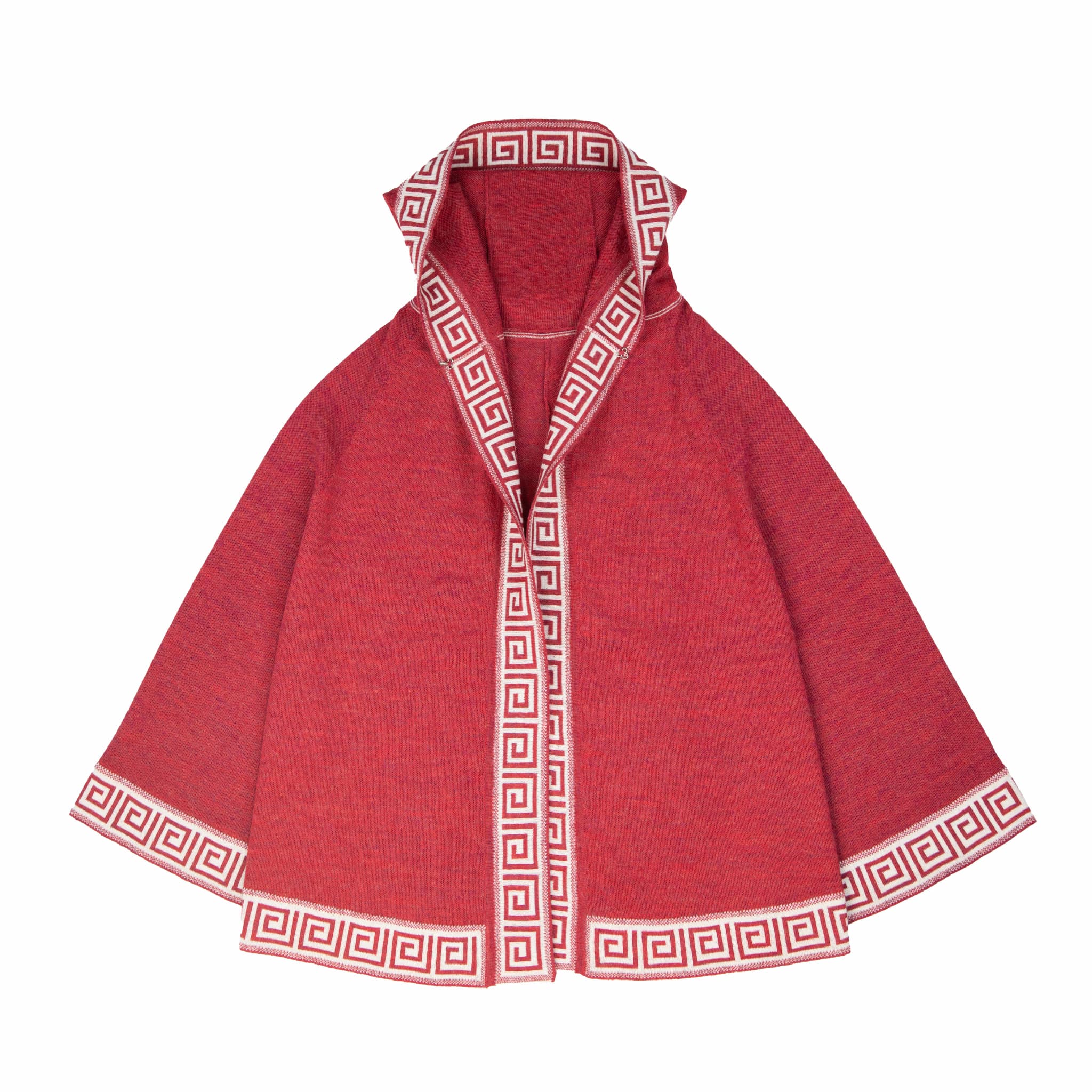
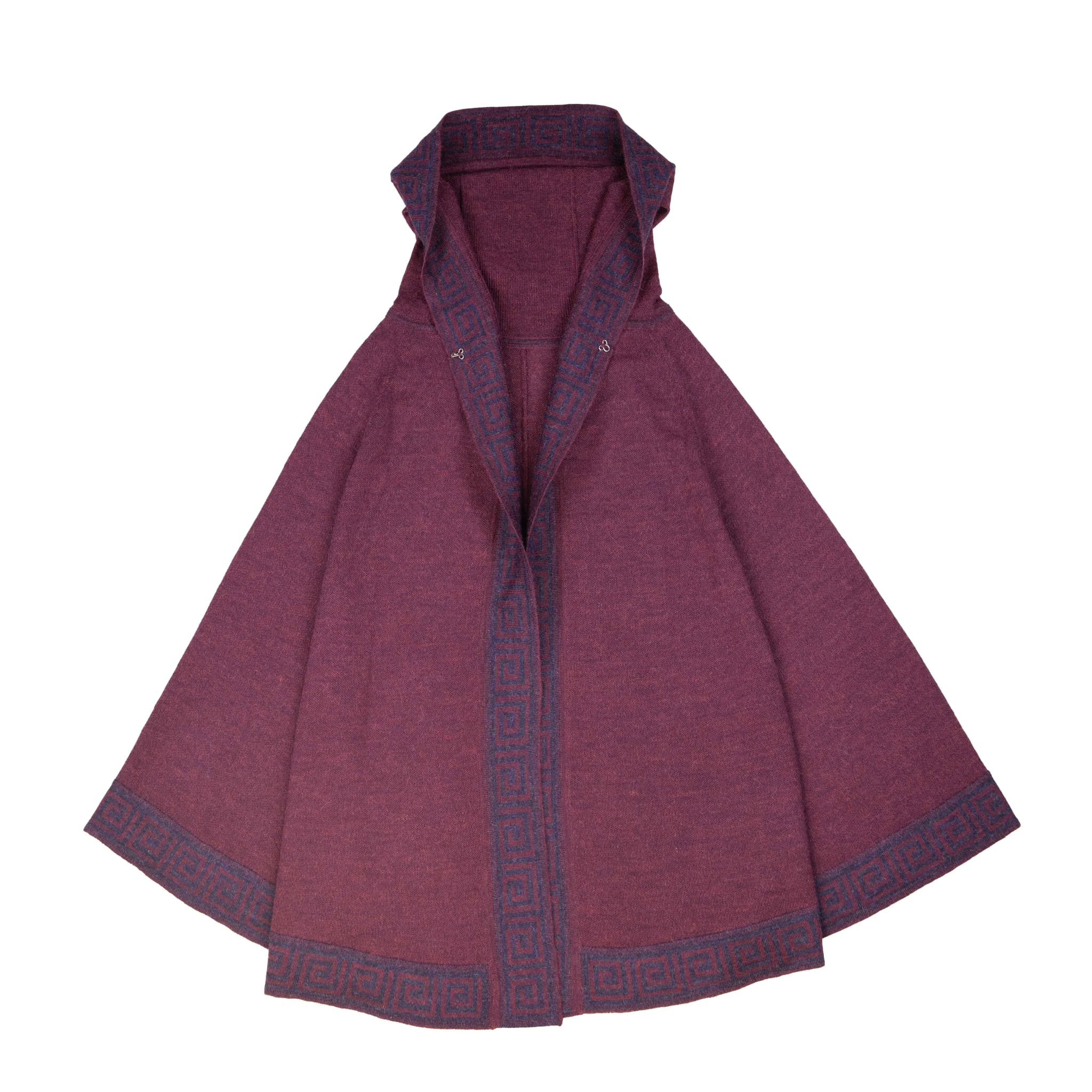
- Alpaca Ponchos
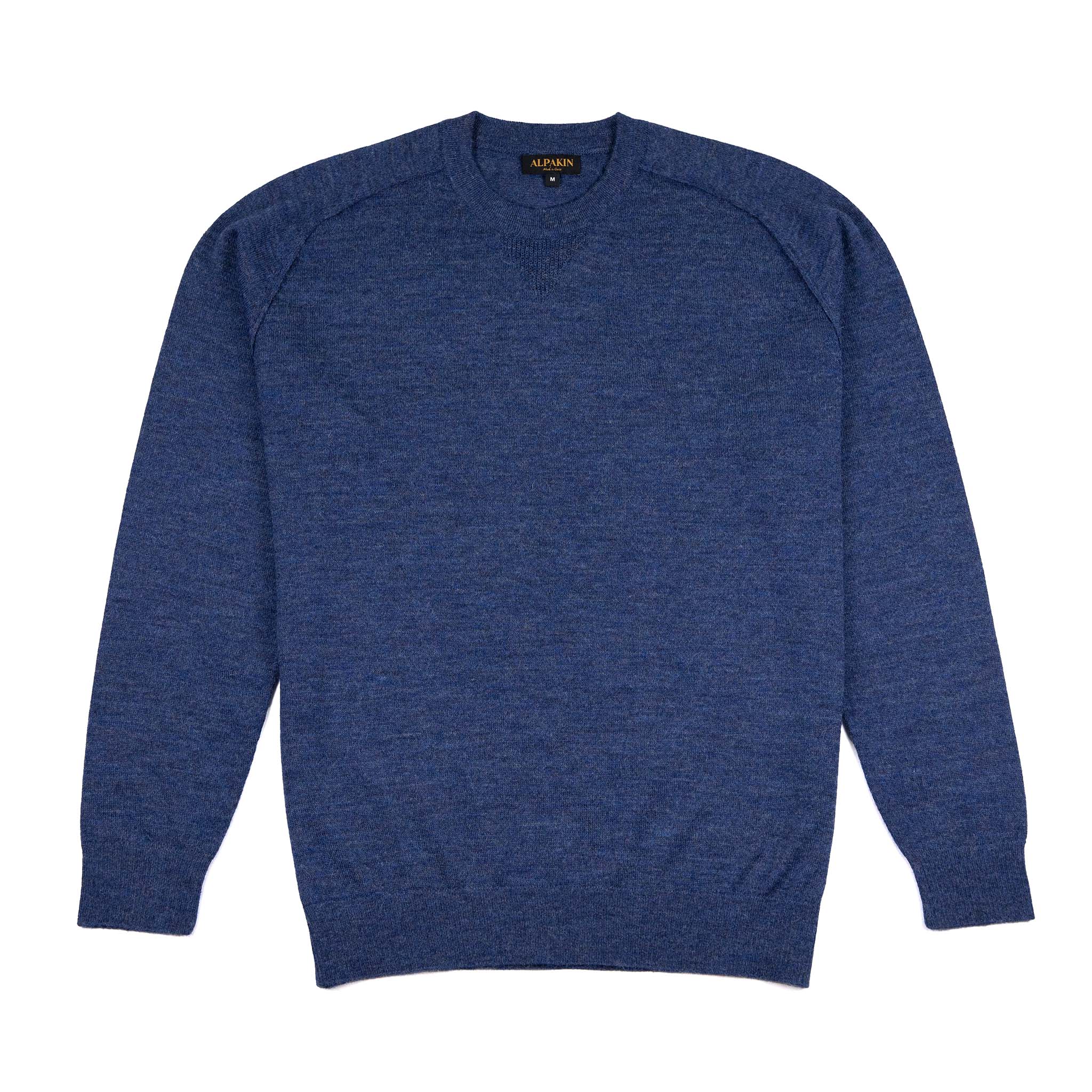
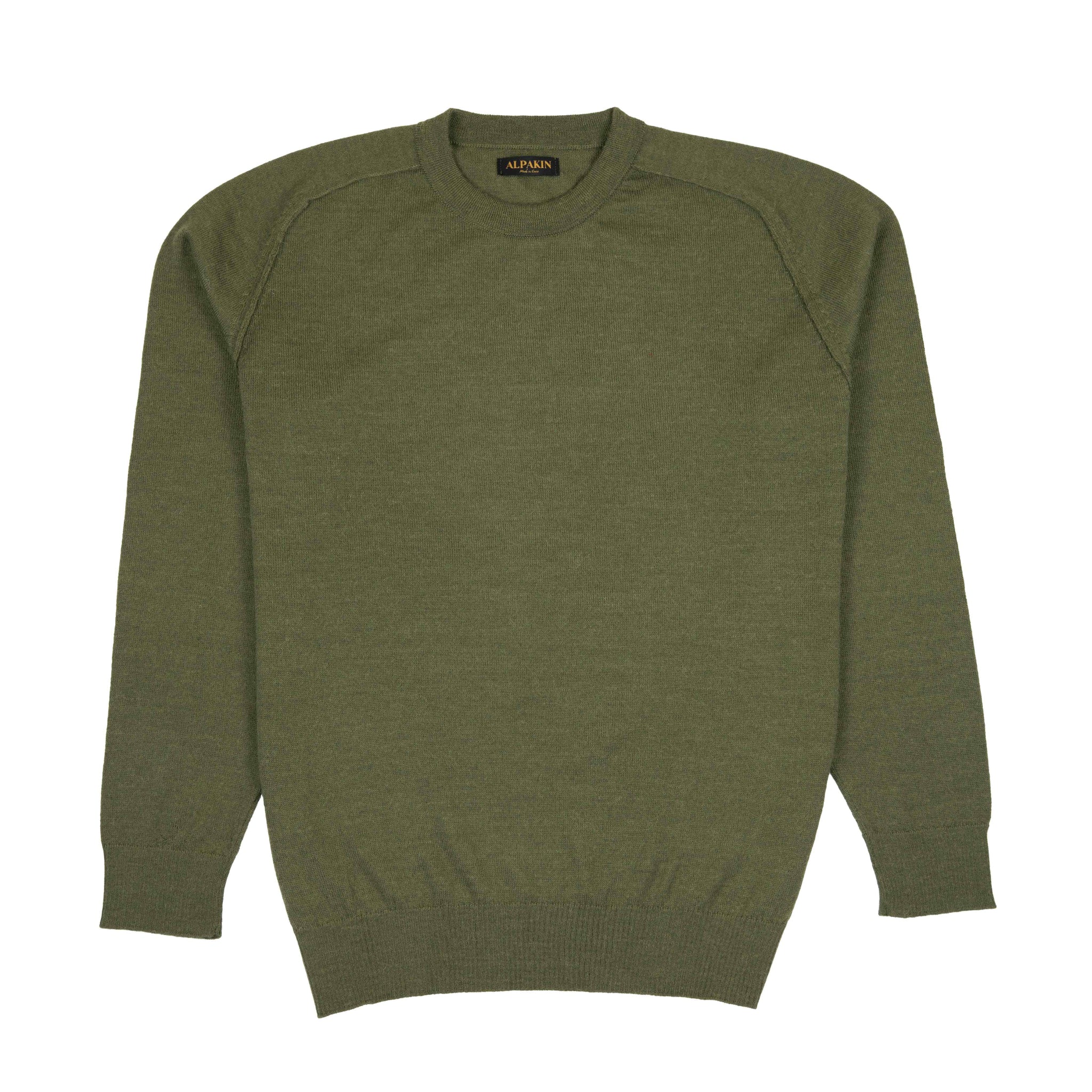
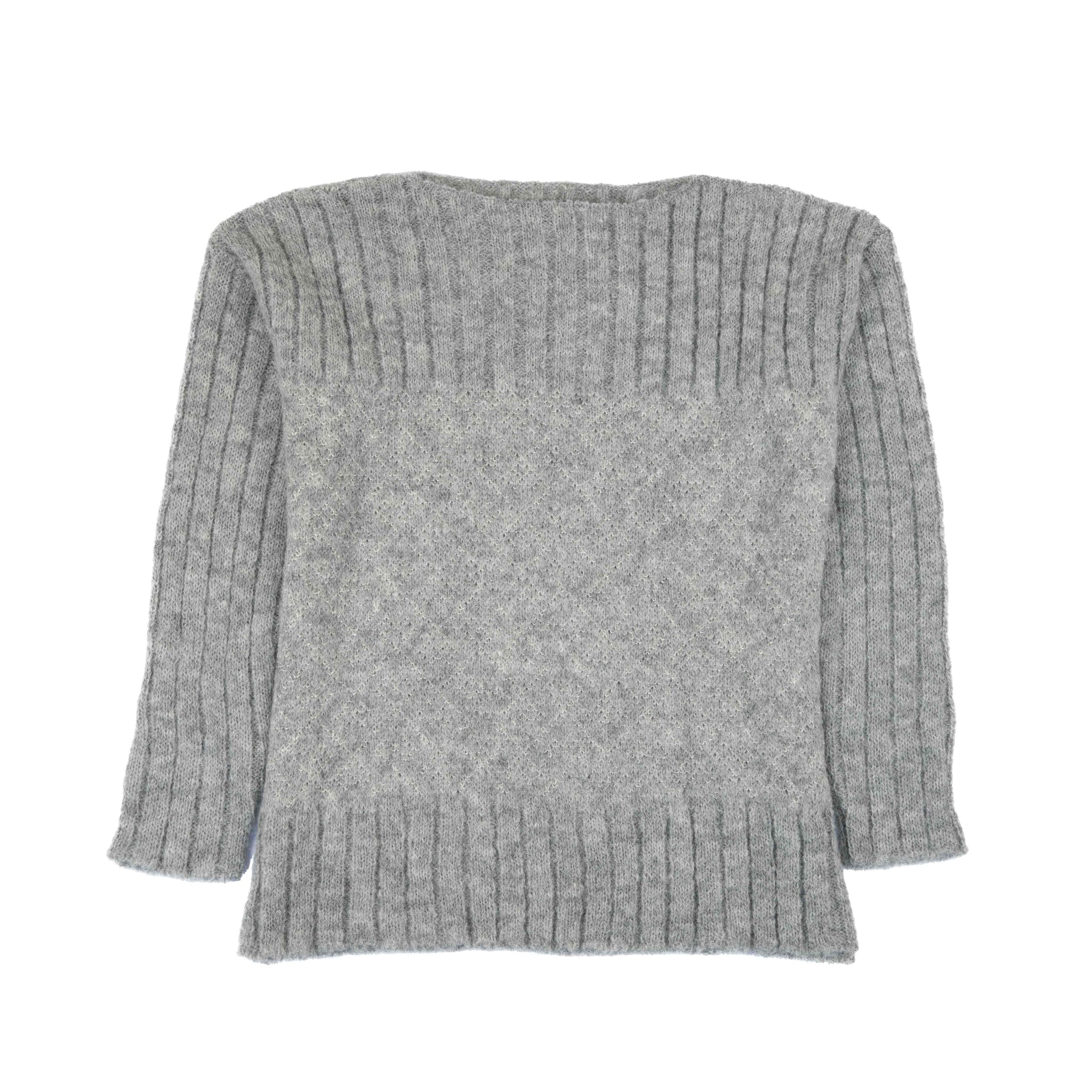
- Alpaka Pullover
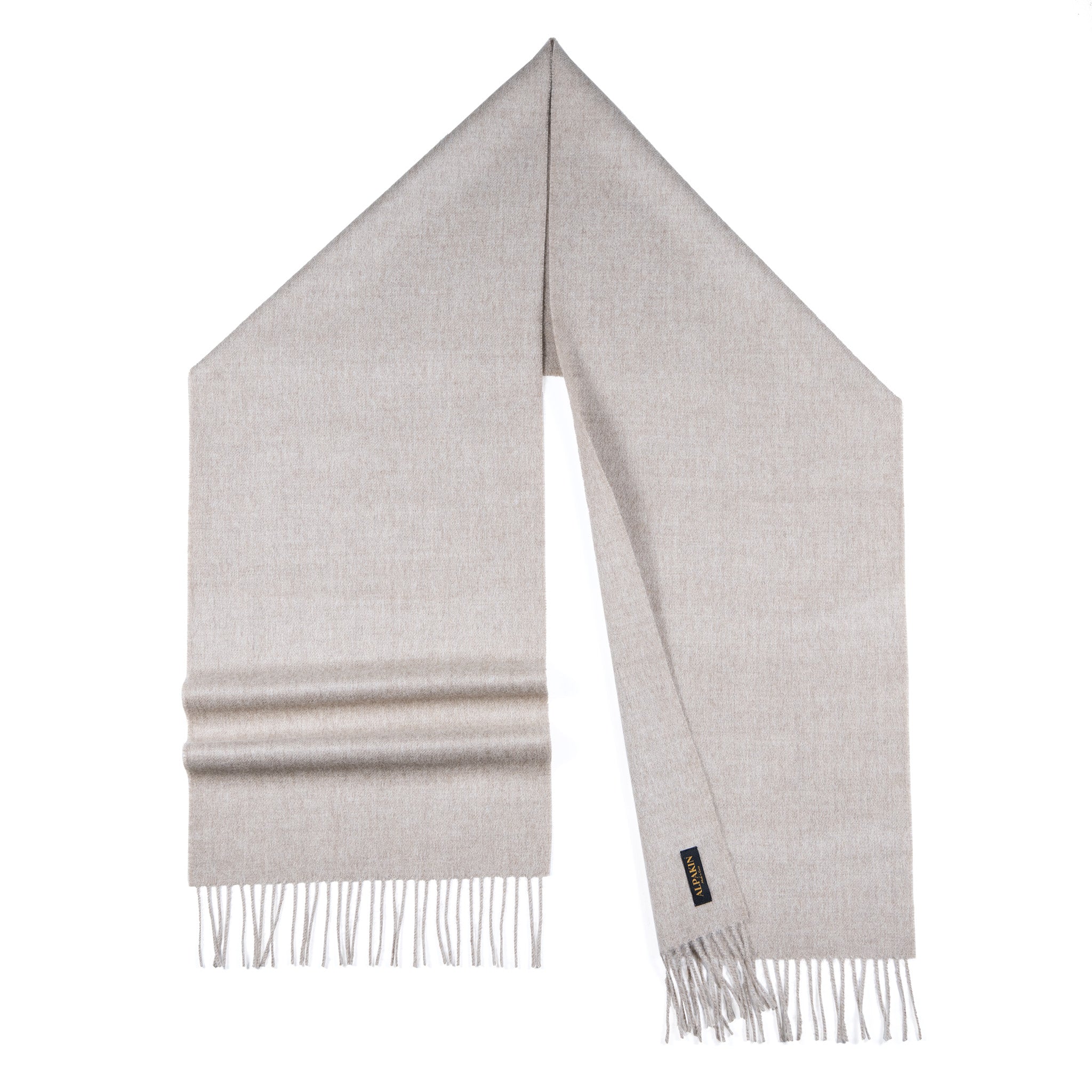
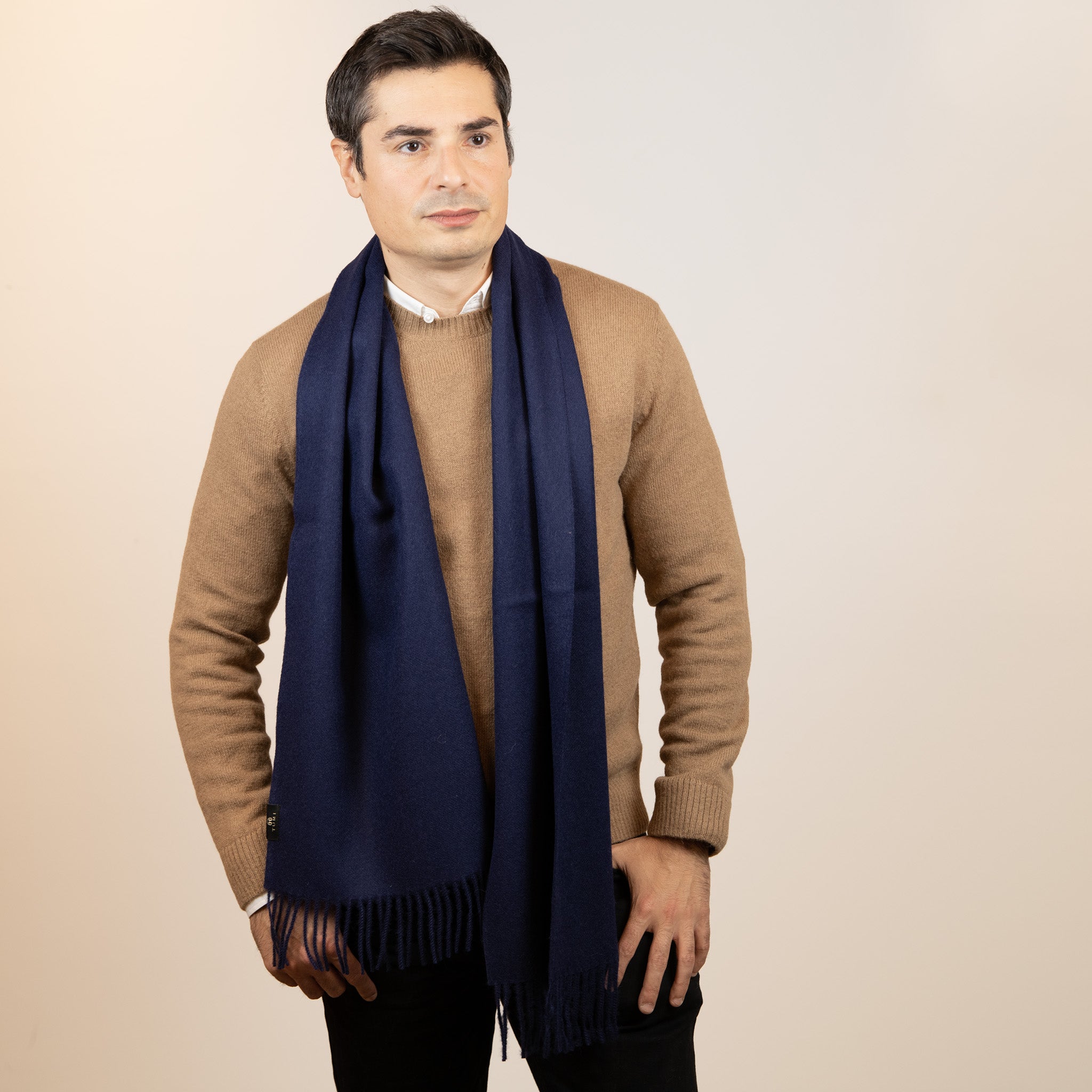
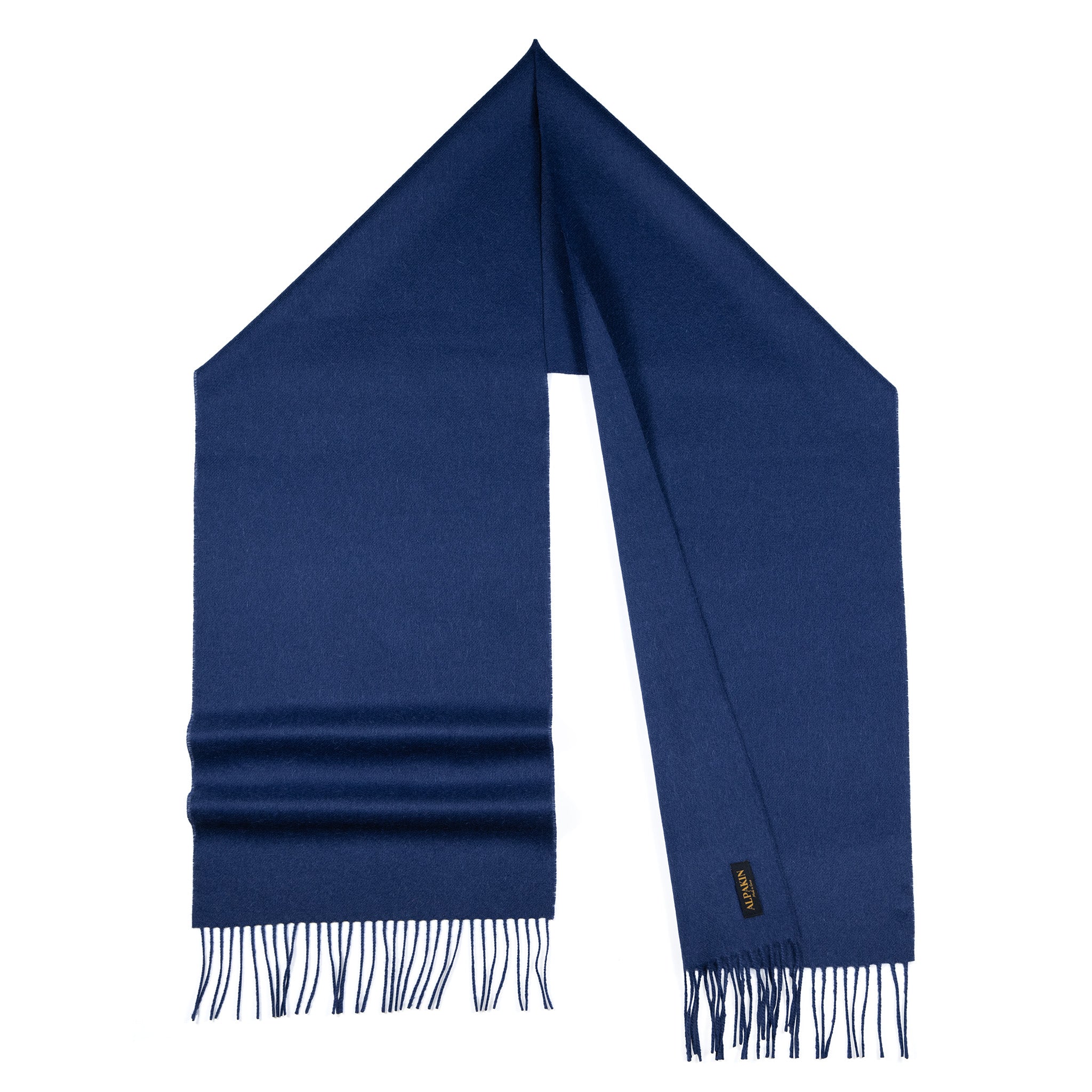
- Alpaca Scarves
- Alpaca socks